

Internet privacy faces massive threats today. Therefore, many users desperately seek a free Tor VPN to protect their data. Specifically, new Indian cybersecurity laws force standard companies to store your browsing logs for five years. Consequently, traditional privacy tools no longer guarantee absolute anonymity. However, you can achieve a true zero-log experience. For example, using the Tor browser effectively masks your identity. As a result, you bypass invasive surveillance completely. In this guide, you will learn exactly how to secure your connection immediately.
Quick Summary: Key Takeaways
- Zero Logs: Tor routes traffic through decentralized nodes, defeating India’s 5-year data retention mandate.
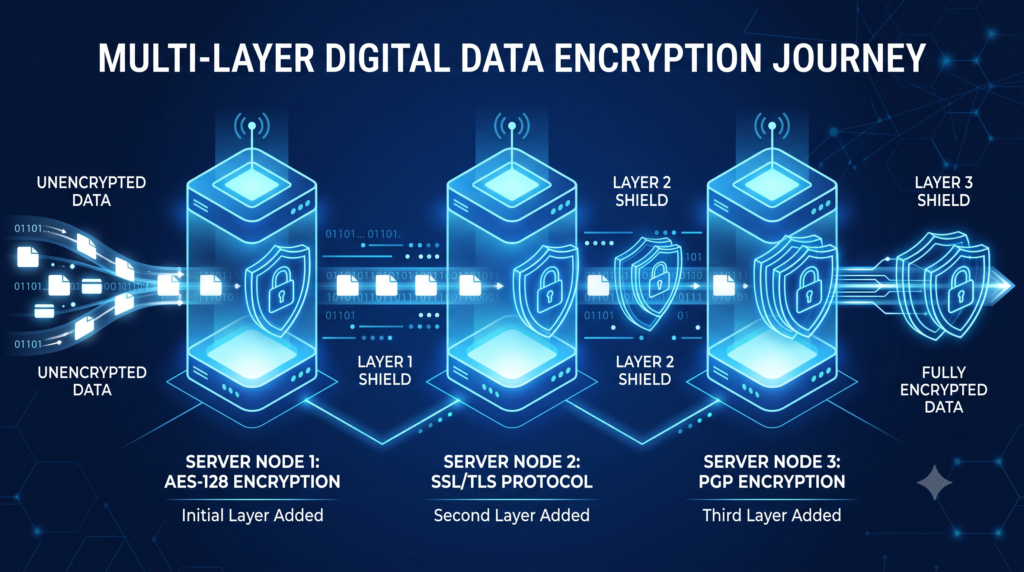
- Complete Anonymity: Onion routing encrypts your data three separate times.
- Legality: Downloading and using Tor remains 100% legal under Indian law.
- Cost: The network operates entirely on volunteer relays, meaning it costs you absolutely nothing.
Why You Need a free Tor VPN in India
India implemented strict VPN regulations recently. Consequently, the CERT-In directive mandates aggressive data logging. Furthermore, companies must record your real name, IP address, and usage patterns. Therefore, many trusted providers removed their physical servers from the country. First, you lose your basic right to digital privacy. Next, your ISP actively monitors your traffic. Importantly, standard services cannot hide your identity anymore. Because of this, you must rely on decentralized alternatives. A free Tor VPN solves this massive problem perfectly. Instead of trusting a corporate server, you trust mathematics. Indeed, the onion network prevents anyone from tracing your connection.
How the free Tor VPN Bypasses CERT-In Rules
Corporate providers operate centralized servers. As a result, governments can easily enforce logging laws. However, Tor operates fundamentally differently. Specifically, volunteer relays run the network worldwide. Therefore, no single entity owns your traffic data. Furthermore, your data bounces through three random global nodes. First, the entry node sees your IP but not your destination. Next, the middle node sees nothing meaningful. Finally, the exit node decrypts the traffic but cannot see your original IP. Consequently, no central authority can log your activity.
Read our ultimate guide on protecting yourself from aggressive ISP throttling
Steps to Set Up Your free Tor VPN
You can establish your secure connection in minutes. Importantly, you do not need technical expertise. Follow these exact steps:
- Download the software: Always use the official website to avoid malware.
- Install the browser: Run the setup file directly on your device.
- Configure bridges: Sometimes, ISPs block direct access. Therefore, you must select “Use a Bridge” in the settings.
- Connect to the network: Click the connect button. Next, wait for the routing process to finish.
- Verify your IP: Visit a location-checking website. Finally, confirm your traffic originates outside India.
Download the official Tor Browser directly from the Tor Project website

Is Using Tor Legal in India?
Many people misunderstand the law. Specifically, they assume privacy tools break strict regulations. However, using this network remains entirely legal in India. Indeed, the Indian Constitution protects your fundamental right to privacy. Therefore, merely downloading the browser does not constitute a crime. Furthermore, law enforcement only targets actual criminal behavior. For example, buying illegal items on the dark web will instantly cause your arrest. Conversely, bypassing censorship or protecting your data is lawful. Consequently, you can use these tools confidently.
Read the full CERT-In cybersecurity directives and official FAQ for India
FAQ Section
Does the Indian government ban Tor?
No. The Indian government does not ban this software. Consequently, you can download and use it legally.
Can my ISP see I am using Tor?
Yes. Your ISP knows you connected to the network. However, they cannot see what websites you actually visit. Therefore, you should use bridge relays to hide this initial connection.
Is Tor faster than a standard VPN?
No. Bouncing traffic through three global nodes takes processing time. As a result, you will experience noticeably slower speeds. Importantly, you trade connection speed for maximum security.
Do I need a VPN before launching Tor?
Usually, you do not need one. Specifically, routing “Tor over VPN” adds an extra security layer. However, it slows down your connection significantly. Therefore, evaluate your personal threat model first.